Starbucks Learned Its Airport Customers Have Different Needs. It Developed a Strategy Anyone Can Copy From

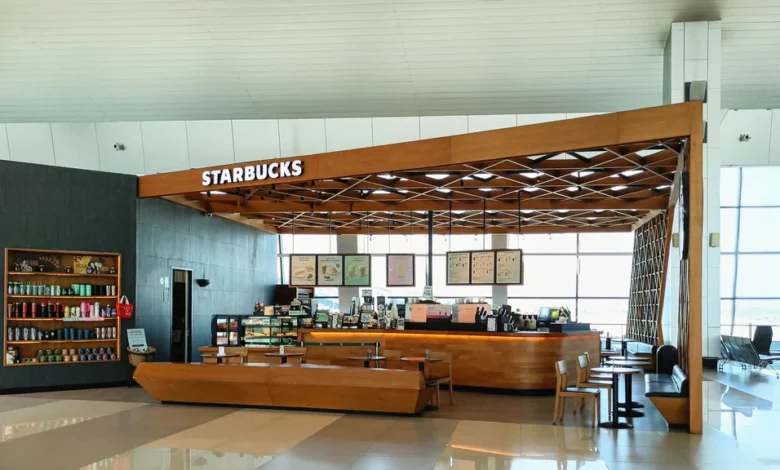
While the brand remains the same, the customers were looking for a different experience.
EXPERT OPINION BY PAULA CONWAY

The Starbucks in your local airport carries an important distinction: the brand may be familiar, but the business behind the counter can be someone else’s. Unlike a company-operated coffee shop, where Starbucks employs the baristas and absorbs the costs of running the store, a licensed location is operated by a partner. Starbucks supplies the brand, products, standards and operating expertise; the licensee supplies the people, capital, and knowledge of the particular environment.
Think of it as Starbucks providing the operating system while someone else runs the hardware. The customer sees the interface — a recognizable name, coffee, equipment, service standards and increasingly familiar technology — but the company doesn’t have to own every piece of the machinery underneath it.
That’s particularly powerful in an airport, where the economics and customer behavior are unlike those of a neighborhood coffeehouse. Starbucks doesn’t necessarily need to recreate its entire “third place” concept behind every airport security checkpoint. It only needs to make the brand work in an environment someone else already knows how to operate.
That distinction is the beginning of a much
That distinction is the beginning of a much bigger business lesson: what if your company could extend its brand into new environments without having to own the entire operation?
Refreshed leadership advice from CEO Stephanie Mehta
An Inc.com Featured Presentation
In March 2026, Starbucks called high-traffic environments such as airports one of its “clearest opportunities.” The company said it intends to support those locations differently with technology and more ordering options, with the goal of making the experience fast and consistent.
Restaurant Divereported that Starbucks is specifically exploring ordering kiosks and scheduled orders through the Starbucks app at airport locations, with the goal of improving ticket times. It’s also deploying new brewed-coffee equipment across licensed locations.
The mechanics are less important than the philosophy. It begins by avoiding a category error — one that underscores the difference between the consumer and the producer. Customers who enjoy the taste, convenience and experience of Starbucks outside the airport will associate those same elements with a familiar brand regardless of location. Yet in the broader corporate architecture, the airport Starbucks necessarily occupies a different category than its counterparts in other locations.
Source: www.inc.com